

Chronic Pain Management Strategies Beyond Spinal Topics: A Whole-Body Approach to Lasting Relief
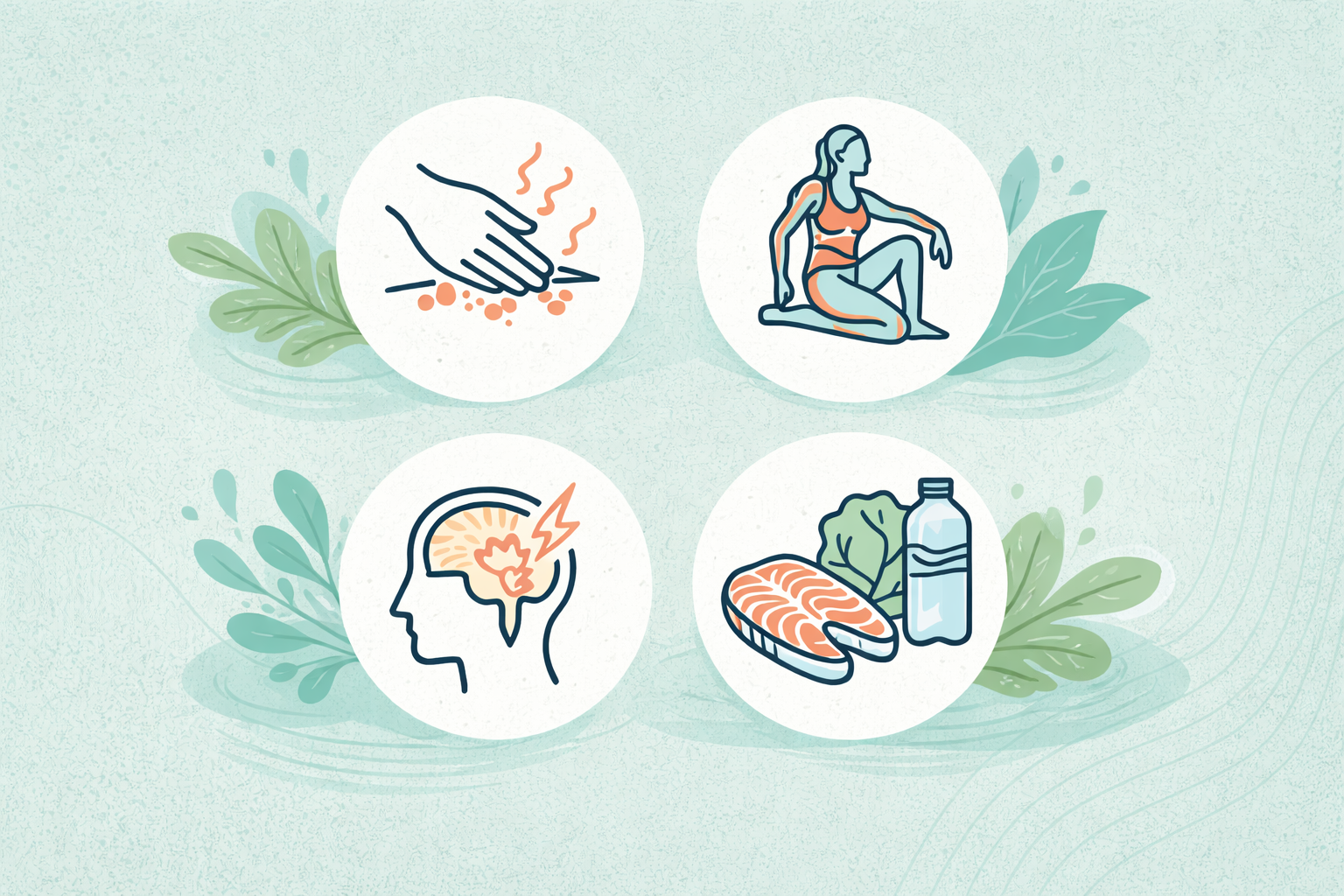
Chronic pain affects millions of people and extends far beyond the spine. While back and neck pain are common, many individuals struggle with persistent discomfort in the shoulders, hips, knees, joints, muscles, and soft tissues throughout the body. Chronic pain can interfere with work, sleep, mood, mobility, and overall quality of life—making everyday tasks feel overwhelming.
True chronic pain management requires more than simply treating symptoms. A successful approach focuses on addressing underlying causes, improving function, and supporting the body’s natural ability to heal. This means looking beyond spinal alignment alone and considering whole-body strategies that involve movement, muscle balance, joint health, nervous system function, lifestyle habits, and mental well-being.
This guide explores effective chronic pain management strategies beyond spinal care, helping patients understand the many tools available to achieve long-term relief.
Understanding Chronic Pain
Chronic pain is typically defined as pain that lasts longer than three months or continues beyond normal tissue healing time. Unlike acute pain, which signals injury, chronic pain often persists even after the original cause has resolved.
Common characteristics of chronic pain include:
Ongoing aching, burning, or throbbing
Stiffness and limited mobility
Muscle tightness or spasms
Fatigue
Sleep disturbances
Increased sensitivity to touch or movement
Chronic pain often results from a combination of physical, neurological, and lifestyle factors, which is why a multifaceted approach is essential.
Why a Whole-Body Approach Works Best
The body functions as an interconnected system. Dysfunction in one area can create compensation patterns elsewhere. For example:
Hip tightness can contribute to knee pain
Shoulder restriction can affect neck movement
Foot imbalances can alter posture and gait
Stress can increase muscle tension and inflammation
Addressing only one area may provide temporary relief, but long-term success comes from restoring balance throughout the entire body.
1. Soft-Tissue Therapy
Muscles, tendons, ligaments, and fascia play a major role in chronic pain. Tight or restricted soft tissues can limit movement, compress nerves, and create persistent discomfort.
Soft-tissue therapies may include:
Myofascial release
Trigger point therapy
Massage techniques
Instrument-assisted soft-tissue mobilization
Stretching protocols
These therapies help:
Reduce muscle tension
Break down scar tissue
Improve circulation
Restore flexibility
Decrease pain sensitivity
For many patients, soft-tissue work significantly enhances the effectiveness of other treatments.
2. Joint Mobilization Beyond the Spine
Chronic pain often involves joints outside the spine, such as:
Hips
Knees
Ankles
Wrists
Elbows
Restricted joint movement can lead to inflammation, weakness, and pain. Gentle joint mobilization techniques help restore motion, improve lubrication within the joint, and reduce stiffness.
Improved joint mobility allows surrounding muscles to relax and function more efficiently.
3. Corrective Exercise and Rehabilitation
Movement is one of the most powerful tools for chronic pain management. Targeted exercises strengthen weak muscles, stretch tight tissues, and improve overall stability.
Corrective exercise programs typically focus on:
Core strengthening
Hip and glute activation
Shoulder stabilization
Postural correction
Balance and coordination
When muscles function properly, joints experience less stress, reducing pain over time.
4. Posture and Ergonomic Improvements
Poor posture is a major contributor to chronic pain throughout the body. Hours spent sitting, driving, or using electronic devices can create imbalances that strain muscles and joints.
Simple improvements may include:
Adjusting desk height and monitor position
Using supportive chairs
Taking movement breaks
Practicing proper lifting mechanics
Using supportive footwear
Small posture changes can produce significant improvements in comfort.
5. Nervous System Regulation
The nervous system plays a key role in how pain is perceived. In chronic pain states, the nervous system may become hypersensitive, amplifying discomfort even without ongoing tissue damage.
Strategies that support nervous system regulation include:
Gentle manual therapy
Controlled breathing exercises
Relaxation techniques
Mindfulness practices
Regular physical activity
Calming the nervous system helps reduce pain intensity and improve overall resilience.
6. Anti-Inflammatory Lifestyle Habits
Inflammation is a major driver of chronic pain. While short-term inflammation is part of healing, ongoing inflammation contributes to tissue breakdown and discomfort.
Helpful lifestyle strategies include:
Eating nutrient-dense, whole foods
Staying hydrated
Limiting processed foods and excess sugar
Maintaining a healthy weight
Getting adequate sleep
Reducing inflammation supports tissue repair and long-term pain control.
7. Stress Management
Chronic stress increases muscle tension and elevates inflammatory chemicals in the body. It can also worsen sleep quality and slow healing.
Effective stress-management tools include:
Gentle exercise (walking, yoga, stretching)
Breathing exercises
Meditation
Time in nature
Establishing healthy boundaries
Managing stress is a crucial component of long-term pain relief.
8. Movement-Based Therapies
Low-impact movement therapies help improve circulation, flexibility, and strength without placing excessive strain on joints.
Examples include:
Yoga
Pilates
Swimming
Water aerobics
Tai chi
Consistent, gentle movement keeps tissues healthy and reduces stiffness.
9. Sleep Optimization
Poor sleep and chronic pain form a vicious cycle. Pain disrupts sleep, and lack of sleep increases pain sensitivity.
Sleep-supportive strategies include:
Establishing a consistent bedtime routine
Limiting screen use before bed
Creating a cool, dark sleep environment
Using supportive pillows and mattresses
Improved sleep enhances the body’s ability to heal and manage pain.
10. Personalized Care Plans
No two people experience chronic pain in the same way. Effective management requires a customized plan based on:
Pain location and intensity
Lifestyle habits
Work demands
Activity level
Health history
Personal goals
Combining multiple strategies into a coordinated plan produces the best long-term outcomes.
The Benefits of a Multidisciplinary Approach
Patients who use multiple pain-management strategies often experience:
Reduced pain levels
Improved mobility
Better strength and stability
Increased energy
Better sleep
Improved mood
Greater independence
Rather than relying solely on medications, a whole-body approach empowers patients to take an active role in their recovery.
When to Seek Professional Help
If chronic pain interferes with daily life, sleep, or mobility, it’s important to seek professional guidance. Early intervention can prevent pain from becoming more severe or harder to treat.
FAQ: Chronic Pain Management Beyond Spinal Care
What is chronic pain?
Chronic pain is pain that lasts longer than three months or persists beyond normal healing time.
Can chronic pain be managed without medication?
Yes. Many non-drug strategies, including exercise, manual therapy, lifestyle changes, and stress management, can significantly reduce chronic pain.
How long does it take to see improvement?
Some patients notice improvements within weeks, while others require longer-term care depending on the severity and duration of symptoms.
Is movement safe if I’m in pain?
In most cases, gentle, guided movement is beneficial and helps reduce stiffness and sensitivity.
Do lifestyle habits really affect pain?
Yes. Diet, sleep, stress levels, and activity patterns strongly influence inflammation and pain perception.
Should I combine multiple therapies?
Yes. A combination of strategies usually produces better results than relying on only one approach.